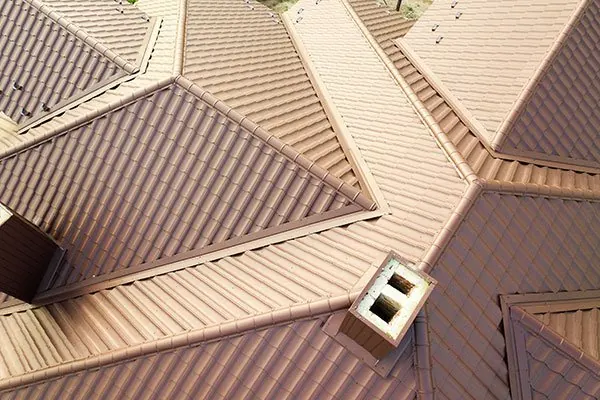
Re-roofing explained
Re-roofing means stripping the old roof covering and laying a new one on the existing frame. On most Newcastle and Lake Macquarie houses that also means checking every batten, re-fixing or replacing the poor ones, adding sarking or an anticondensation blanket, and fitting new flashings. It is arranged through independent local roofing contractors after a free inspection and written quote.
The difference from a full roof replacement is a matter of degree. If the frame and most battens are good, re-roofing is the efficient path. If the roof space shows sagging rafters, widespread rot or termite damage, the scope grows.
Typical re-roofing jobs in this area
- Old galvanised iron on interwar and post-war houses in Mayfield, Tighes Hill and Wallsend, now rusting at the laps and nail holes
- First-generation zincalume on 1980s and 1990s houses near the beaches, corroding early because the grade was never right for the exposure
- Tile to steel where heavy concrete tiles are coming off a lightly built frame (see tile to metal conversion)
- Re-roofing after asbestos removal, once the licensed removalist has cleared the roof
What the contractor checks before quoting
A sound re-roof quote depends on what is under the existing roof. The contractor should look at:
- Batten size, spacing and fixing. Older roofs often have battens nailed rather than screwed and spaced for tiles, not steel.
- Rafter straightness. A dipped ridge or wavy roof line shows up badly under new steel.
- Signs of water damage in the roof space, including stained timber and damp insulation.
- Fascia and barge boards, which often need replacing at the same time.
- The ceiling below, if old leaks have weakened it.
Steel for coastal Newcastle
Pre-painted steel is the default for re-roofing here because it is light, sheds wind-driven rain well and comes in profiles that suit everything from a cottage to a warehouse. Grade matters. Houses close to breaking surf generally need a coastal or marine-rated product to keep the manufacturer's warranty, and screws, rivets and flashings need to match. Our Colorbond vs Zincalume comparison explains the choice.
Noise, heat and condensation
A steel roof without insulation underneath can be noisy in heavy rain and can drip condensation on cold mornings. An anticondensation blanket or foil-faced sarking under the sheets deals with both and is worth asking for. In a re-roof, it is a small part of the cost and impossible to add later without lifting the roof.
Timing the job
Re-roofing opens the roof to the weather, section by section. Crews close up each day, but spells of settled weather make the job smoother. Our guide to the best time of year for roof replacement covers how seasons and storms affect scheduling.
Common surprises when the old roof comes off
Re-roofing reveals what has been hidden for decades. On Newcastle houses that often means old nailed hardwood battens, patches where previous leaks have softened timber, rusted gutter brackets, and sometimes old asbestos cement in gable infills or eaves that was not visible before. A good contractor will stop, show you, and price any extra work in writing before continuing.
Re-roofing additions and verandahs
Many Newcastle houses carry a mix of roofs: the original main roof plus a skillion back extension, a verandah and a carport added over the decades. A re-roof is a good time to bring them all into one consistent material and colour, and to fix the junctions between them, which is where most leaks on older houses begin.
Paperwork
Re-roofing a house is residential building work. In NSW, jobs over $5,000 generally need a contractor licensed by NSW Fair Trading, and jobs over $20,000 generally need home building compensation cover before a deposit is taken. We ask the contractors we work with to hold what the job needs; ask to see it before you sign.
Planning prices are on the 2026 cost page.