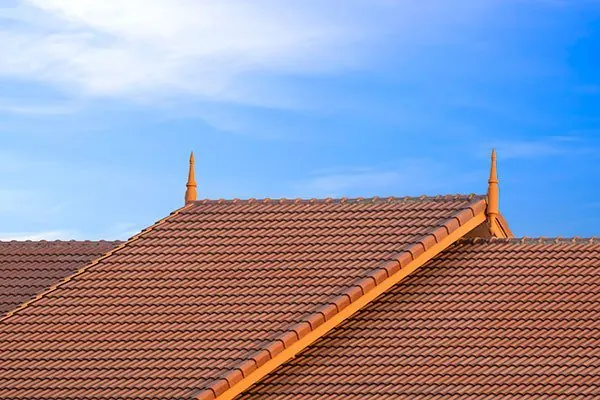
What a tile to metal conversion involves
A tile to metal conversion removes concrete or terracotta tiles and replaces them with steel sheeting, usually pre-painted. The battens are re-spaced or replaced for steel, sarking or a blanket goes down, and all the flashings are new. Conversions are arranged across Newcastle and Lake Macquarie through independent local roofing contractors after a free inspection and written quote.
Why homeowners convert
The common reasons are practical rather than cosmetic:
- Recurring leaks from cracked tiles and failing ridge bedding on 1970s to 1990s concrete tile roofs
- Weight. Steel weighs a fraction of tiles, which takes load off older frames
- Wind-driven rain. Long steel sheets with sealed laps handle Newcastle's sideways rain better than overlapping tiles
- Maintenance. No ridge pointing to redo and no broken tiles after someone walks on the roof
- Solar. Mounting panels on steel is simpler than on brittle tiles
Concrete tile roofs across suburbs like Charlestown, Kotara, Cardiff and Warners Bay are reaching the age where these points start to bite.
When tiles are still the better choice
Terracotta on a heritage-listed house or in a heritage conservation area may need to stay terracotta. A sound tile roof with only ridge problems may be better served by rebedding and repointing. If your tiles are in good condition, ask the contractor whether a repair is enough before converting.
How the conversion runs
- Inspection. The contractor checks the tiles, battens, frame and roof space and confirms that a conversion suits the house.
- Quote and colour. You choose profile and colour; the contractor confirms the steel grade for your exposure to salt.
- Safety. Edge protection or scaffold is installed. Solar panels are disconnected by a licensed electrician.
- Tiles off, battens on. Tiles come off one section at a time. Battens are replaced or re-fixed at the spacing steel needs.
- Sarking and sheets. Blanket or sarking goes down, then sheets are fixed with screws rated for the environment.
- Flashings and finish. Ridge, hip, valley, barge and wall flashings are installed, gutters connected, and the site cleaned.
The house is closed in at the end of each day.
Heat, noise and condensation
Converting is the moment to improve how the roof performs. Ask for an anticondensation blanket under the sheets in this climate; it controls drips on cool mornings and dampens rain noise. Lighter colours reflect more summer heat. Check the ceiling insulation while the roof is open. Our energy-efficient roofing guide has more.
Asbestos under or around tiles
Some older houses with tiled main roofs still have asbestos cement in eaves linings, gable infills or verandah roofs. If the contractor suspects asbestos, it needs to be identified and, if disturbed, handled under SafeWork NSW requirements. Raise it early.
Matching steel to the house
A conversion changes the look of a house, so the profile and colour deserve thought. Corrugated suits older houses and many streetscapes; trapezoidal suits more modern lines. Colour should work with the brick, render and trim. Some owners take the opportunity to replace fascias and gutters in a matching colour so the whole roofline reads as new. Ask the contractor for photos of similar houses they have converted, and drive past a few in your suburb to see how different colours look in Newcastle light.
Neighbours and the street
Tile removal is noisy and generates a lot of waste, so a skip or two will sit in the drive for a few days. Let neighbours know the dates. On narrow streets, ask the contractor whether a crane or truck will need kerbside space and whether any council permit is required for it.
Costs
Conversions are usually priced per square metre plus flashings, gutters and extras. Planning bands for 2026 are on the Newcastle roof replacement cost page.