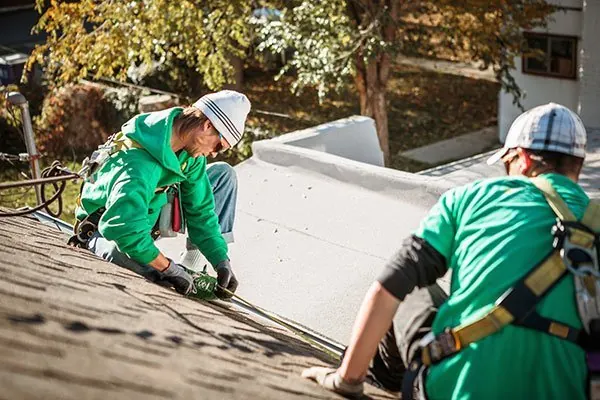
No team photos here
The earlier version of this website had a "meet the team" page. We have removed it because Roofing Contractors Newcastle does not employ roofers. We refer enquiries to independent local contractors, and it is their people who come to your house.
What follows is a guide to the roles you may meet on a roofing job, so you know who does what and who to ask.
The estimator or business owner
What they do: inspects the roof, explains repair versus replacement, measures up, and prepares the written quote. In many small Newcastle roofing businesses this is the owner.
What to ask:
- What did you find, and can I see the photos?
- Why do you recommend this option?
- Which product and grade, and why for this address?
- Who will supervise the job on site?
The lead roofer or site supervisor
What they do: runs the crew day to day, decides how much roof to open based on the forecast, shows you damaged timber, and is your main contact on site.
What to ask:
- What is today's plan, and how will you close up tonight?
- Can you show me the timber you found?
- When are the noisiest days?
Roofers and labourers
What they do: strip the old roof, carry materials, fix battens and sarking, lay sheets or tiles, and clean up. Experienced roofers handle cutting and fixing; labourers often move materials and manage the skip.
What to expect: early starts, noise, and respectful use of your property. Raise any concerns with the supervisor rather than the crew.
Roof plumber
What they do: in many roofing businesses the same people handle gutters, downpipes, valleys and flashings. On some jobs, particularly stormwater connections, a licensed plumber is involved.
What to ask: who is connecting the downpipes to stormwater, and are they licensed for it?
Scaffolder
What they do: erects and dismantles scaffold or edge protection on two-storey and steep roofs. Usually a separate business.
What to expect: scaffold may go up a day or two before work starts and come down after. Keep children away from it.
Licensed electrician
What they do: disconnects and reconnects solar panels, and deals with any wiring, lights or roof-mounted electrical equipment. This is electrical work and must be done by a licensed electrician.
What to ask: when will the system be offline, and will you test it on reconnection?
Licensed asbestos removalist
What they do: for asbestos cement roofs, removes the sheeting under SafeWork NSW requirements, including containment, wrapping, transport and disposal, and arranges clearance where needed.
What to ask:
- What licence class do you hold?
- What do you need me to do on removal day?
- When will the roofer be able to start?
See asbestos roof replacement.
Engineer or building designer
What they do: on some jobs, such as changes in roof form, heavy roofs on light frames, or structural damage, an engineer may assess the frame or design changes.
Council
Not a trade, but sometimes part of the process. Changes in roof material or form, and work in heritage conservation areas, may need approval from City of Newcastle or Lake Macquarie City Council.
Who is responsible for what
Under a typical contract, the contractor you sign with is responsible for the work they and their subcontractors carry out. That is why the contract, licence and insurance checks matter. See licences, insurance and certifications.
Signs of a well-run crew
You can learn a lot about a roofing business from how its crew works on day one. Good signs include edge protection installed before anyone starts stripping, a tidy materials area, sheets cut on the ground or with swarf swept up promptly, a supervisor who introduces themselves and explains the day's plan, and a roof closed in properly before they leave. Warning signs include people working at the edge with no protection, debris dropped into areas where people walk, and nobody on site who can answer a question. Raise concerns early, politely and in writing if needed.
Communication that works
Agree early who your single point of contact is, and how they prefer to be reached. Keep decisions that change cost or scope in writing, even a text message confirming a conversation. Share a photo of anything that worries you. Most problems on roofing jobs come from misunderstandings about scope or timing, and most of those are avoided by a short daily check-in with the supervisor.
How we fit in
We make the introduction to the contractor. They manage their crew and subcontractors. If you have questions about the process, call us; if you have questions about the work, ask the contractor. Read how this roofing service works for more.