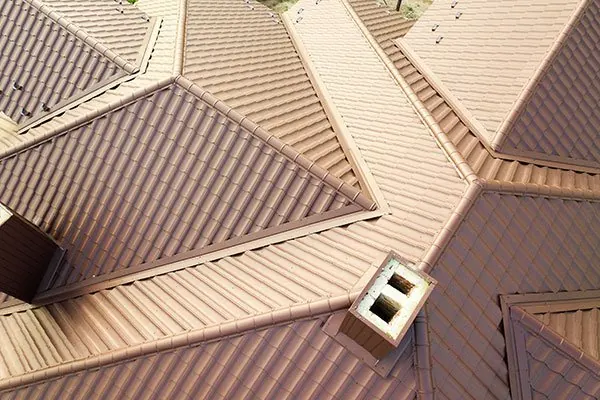
What the Newcastle climate does to a roof
Newcastle has a humid coastal climate with warm summers, mild winters and rain that can come in any month. The things that matter for a roof are not averages, though. They are the extremes and the exposures:
- Salt. Onshore winds carry salt spray well inland from the beaches, and the harbour adds its own. Salt attacks metal coatings, fixings and cut edges.
- Wind-driven rain. East coast lows and southerly changes push rain horizontally for hours, testing every lap, ridge and flashing.
- Summer heat and UV. Western-facing roofs bake in the afternoon, fading paint and drying out sealants.
- Hail and storms. Spring and summer thunderstorms bring hail and wind gusts that crack tiles and lift sheets.
- Damp and shade. Leafy streets in the older suburbs leave valleys full of debris and roofs that stay damp.
A good material choice deals with the exposures your particular house has. The roof on a house on the hill above Bar Beach faces a very different life from one sheltered among trees in Wallsend.
Pre-painted steel
Pre-painted steel, Colorbond being the best-known brand, is now the most common choice for re-roofs and new houses here.
Why it suits the area: it is light, it comes in long sheets that minimise laps, it sheds wind-driven rain well when installed with the right flashings, and it suits solar panels. It is available in grades rated for different environments, including more severe coastal exposure.
Watch for: using the correct grade for your distance from breaking surf, matching screws and flashings, sweeping away swarf, and installing an anticondensation blanket to manage condensation and rain noise.
Our Colorbond roofing page and benefits of Colorbond in NSW homes cover it in more depth.
Unpainted zinc-aluminium steel
Zincalume and similar unpainted products are cost-effective and durable inland, and reflect a lot of heat when new. Close to the surf they are generally not the recommended product, and the bright finish can cause glare. See Colorbond vs Zincalume for the comparison.
Concrete tiles
Concrete tiles cover a large share of the brick veneer houses built across Lake Macquarie and the western suburbs from the 1970s onward.
Strengths: economical, quiet in rain, good thermal mass, no rust.
Weaknesses: heavy; surface coatings wear and the tiles become porous with age; ridge capping relies on mortar bedding that cracks; and walking on them breaks them. Wind-driven rain gets under tile laps more easily than under steel laps, which is why sarking matters so much on tiled roofs.
Terracotta tiles
Terracotta is the roof of the interwar bungalows and Federation houses in the inner suburbs.
Strengths: colour that lasts, fired clay that does not rust, and a look that suits these houses and their streetscapes.
Weaknesses: weight, cost, brittleness underfoot, and the same ridge-bedding issues as concrete tiles. Older terracotta can be matched with salvaged tiles for repairs, which is often the right approach on character houses.
Slate
Natural slate appears on older houses, churches and commercial buildings. Good slate is extremely durable; the nails and battens usually fail first. Slate is expensive and specialist, and generally reserved for buildings that already have it or where heritage controls call for it. See slate roof replacement.
Comparing them side by side
| Material | Weight | Salt resistance | Wind-driven rain | Upkeep |
|---|---|---|---|---|
| Pre-painted steel | Light | Good with correct grade | Very good | Low |
| Unpainted zinc-aluminium steel | Light | Fair inland, poor near surf | Very good | Low |
| Concrete tile | Heavy | Good | Fair; relies on sarking | Moderate |
| Terracotta tile | Heavy | Very good | Fair; relies on sarking | Moderate |
| Slate | Heavy | Very good | Good when well laid | Low to moderate |
Matching material to house
Beachside and harbour houses such as those around Merewether, Bar Beach, Newcastle East and Stockton: coastal-rated pre-painted steel with stainless or matched fasteners, or terracotta where the house suits it.
Brick veneer homes around the lake in suburbs such as Warners Bay, Belmont and Cardiff: concrete tile if the existing roof is sound and needs repair only, or a tile to metal conversion when it is failing.
Fibro cottages in Mayfield, Wallsend and similar suburbs: usually pre-painted steel after licensed asbestos removal, because the frames were built for a light roof.
Heritage houses in the inner city: whatever the council's heritage controls require, typically the original material.
Under the roof matters too
Whatever goes on top, the layers underneath decide a lot of the performance:
- Sarking catches wind-driven rain and dust under tiles and helps with condensation under steel.
- Anticondensation blanket under steel improves thermal and acoustic performance.
- Battens at the right spacing and fixing hold the roof down in strong wind.
- Ventilation through ridge vents or whirlybirds lets moist, hot air out of the roof space.
Questions to ask about any material
Before settling on a material, put the same questions to each contractor:
- How will it handle wind-driven rain on my roof's pitch? Every tile and steel profile has a minimum pitch, and low-pitch additions at the back of older houses often sit close to it.
- What grade or range is it, and why that one for my address? For steel, the answer should mention salt exposure. For tiles, it should mention the profile match if only part of the roof is being done.
- What does it weigh compared with what is there now? Going heavier than the frame was designed for can require an engineer's input.
- What maintenance does it need, and how often? Washing, gutter cleaning, ridge repointing and coating schedules differ by material.
- How will it look in twenty years? Fading, chalking, lichen growth and patina vary between materials and colours.
A contractor who answers these clearly is usually one who has thought about your roof, not just their preferred product.
A note on bushfire-prone land
Parts of Lake Macquarie and the bush fringes of Newcastle are mapped as bushfire prone. If your property has a bushfire attack level assessment, the roofing materials and details may need to meet AS 3959 for that level. Ask the council and the contractor.
Bottom line
For most houses here, the practical choice is pre-painted steel in the right grade. Tiles and slate remain right for the houses built for them and for heritage settings. Whatever you choose, have the contractor explain how it deals with salt, wind-driven rain and heat on your particular roof. Planning prices for each option are on the 2026 cost page.